Warping is a common challenge for 3D printing enthusiasts, especially when working with ABS and ASA filaments. These materials are prone to warping due to their high thermal expansion and cooling rates, which can lead to poor adhesion and structural issues in printed parts. One of the most effective ways to prevent warping is by using an enclosure, which helps maintain a stable temperature and improves print quality. This article explores practical strategies for preventing ABS and ASA warping in an enclosure, covering everything from preparation to advanced techniques.
Understanding ABS and ASA Warping
Warping is a common challenge when printing with ABS and ASA filaments, often leading to failed prints and frustration. Understanding the underlying causes of warping is essential for selecting the right strategies to prevent it. Both materials are thermoplastics that expand when heated and contract when cooled, making them especially susceptible to warping if the cooling process is uneven. This section explores the reasons behind warping and how an enclosure can play a crucial role in mitigating this issue.
Why ABS and ASA Warp
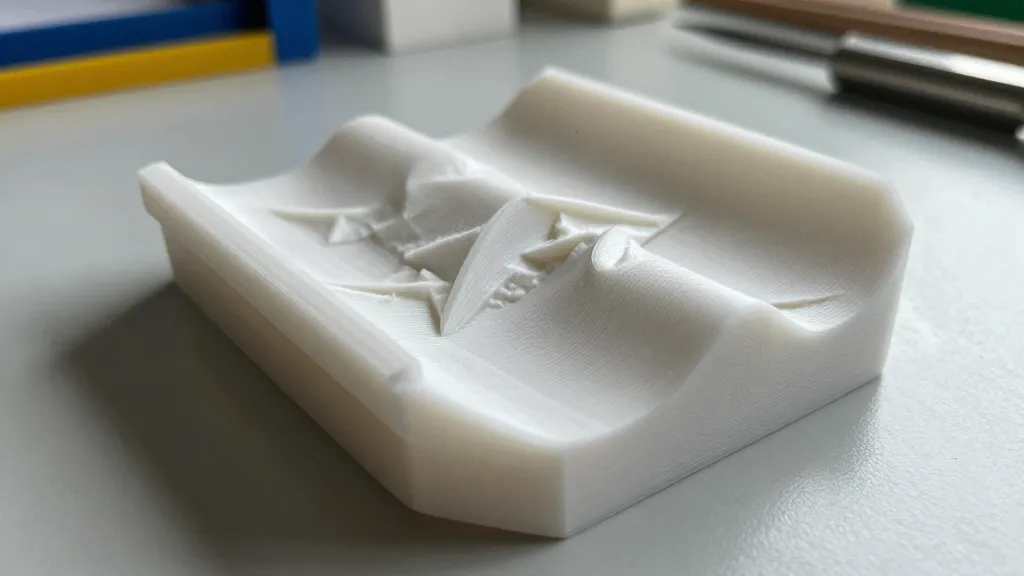
ABS and ASA are prone to warping due to their thermal expansion properties. When these materials are printed, they are heated to a molten state and then rapidly cooled as they solidify. However, the surface of the print cools faster than the inner layers, causing the outer layers to contract and pull away from the bed. This uneven cooling leads to warping, which can distort the entire print and make it difficult to remove from the bed. Additionally, the high glass transition temperature of ABS and ASA means that they require a stable environment to maintain consistent print quality.
The Role of Enclosure in Warping Prevention
An enclosure plays a vital role in preventing warping by controlling the cooling rate of the printed layers. By creating a stable, enclosed environment, the temperature of the print remains more uniform, reducing the risk of rapid surface cooling. This controlled cooling allows the layers to solidify evenly, minimizing the contraction that leads to warping. Enclosures can be as simple as a printed box or as advanced as a heated chamber, depending on the printer and the complexity of the print. The key is to ensure that the enclosure maintains a consistent temperature while allowing for proper airflow to prevent overheating and maintain print quality.
Preparation Before Printing
Proper preparation before printing is crucial for preventing warping in ABS and ASA filaments. Ensuring the printing bed is heated and using a brim or raft can significantly enhance adhesion and reduce the chances of warping during the print process.
- Ensure the printing bed is properly heated to around 100°C for optimal adhesion.
- Use a heated bed with a temperature of 100°C to reduce the risk of warping.
- Apply a brim or raft to improve initial layer adhesion.
- Check the bed surface for flatness and cleanliness before starting the print.
Heating the Printing Bed
Heating the printing bed to around 100°C is a fundamental step in preventing ABS and ASA warping. This temperature helps the filament adhere more effectively to the surface, reducing the likelihood of curling or lifting as the print progresses. A heated bed also promotes more consistent layer bonding, which is essential for large prints or those with complex geometries.
Using a Brim or Raft for Better Adhesion
Using a brim or raft can greatly improve the initial layer adhesion for ABS and ASA prints. A brim is a thin, flat extension attached to the edge of the model, which provides a larger surface area for the first layers to stick to. A raft, on the other hand, is a separate platform that supports the print and allows for better heat retention. Both methods help prevent warping by ensuring the print starts with strong adhesion to the bed.
Creating an Effective Enclosure
Creating an effective enclosure is a crucial step in preventing warping when printing with ABS and ASA filaments. A well-designed enclosure helps maintain a stable temperature around the printed part, reducing the risk of thermal stress and uneven cooling. By trapping heat and minimizing environmental interference, an enclosure significantly improves the chances of a successful print. The key is to balance insulation with proper airflow to avoid overheating and ensure consistent temperature control.
Designing a Simple Enclosure
Designing a simple enclosure involves using transparent materials like glass or acrylic to allow visibility while maintaining heat retention. These materials are readily available and easy to work with, making them ideal for both beginners and experienced users. The enclosure should be large enough to cover the entire print area but not so large that it restricts airflow. A modular design with adjustable panels can also provide flexibility for different print sizes and configurations.
Managing Airflow in the Enclosure
Managing airflow within the enclosure is essential to prevent overheating and maintain consistent temperatures. While the goal is to reduce cooling, excessive airflow can cause temperature fluctuations that lead to warping. A small fan or a passive vent system can be used to circulate air gently, ensuring even heat distribution. It's important to position the fan away from the print bed to avoid direct cooling of the base. Regularly monitoring the temperature inside the enclosure can help fine-tune the airflow and ensure optimal conditions for printing.
Advanced Warping Prevention Techniques
Advanced warping prevention techniques involve optimizing both environmental conditions and print settings to ensure consistent material behavior. By leveraging chamber soak, adjusting print speed and layer height, and experimenting with nozzle temperatures, you can significantly reduce warping risks. These methods complement enclosure use and help maintain stable printing conditions.
- Use a chamber soak to maintain consistent temperatures during printing.
- Adjust the print speed and layer height to reduce the cooling rate.
- Experiment with different nozzle temperatures to find the optimal setting for your material.
Chamber Soak for Temperature Stability
A chamber soak involves preheating the enclosure to the target printing temperature before starting the print. This ensures that the build plate and surrounding air are already at the correct temperature, reducing thermal gradients that contribute to warping. The process typically takes 10 to 30 minutes, depending on the enclosure size and material requirements.
Once the chamber is at the desired temperature, the print can begin without the risk of sudden cooling. This method is particularly effective for materials like ABS and ASA, which require stable and elevated temperatures to prevent warping. It also helps in reducing the time needed to reach thermal equilibrium during the print.
Fine-Tuning Print Settings for Warping
Fine-tuning print speed and layer height can significantly affect how quickly the material cools. Slower print speeds allow more time for the material to heat up and bond with the build plate, reducing the chance of warping. A layer height of 0.2mm or less is often recommended to improve adhesion and minimize cooling effects.
Adjusting these settings requires balancing between print quality and warping prevention. Too slow a speed or too thin a layer height may lead to under-extrusion or poor surface finish. Experimenting with different combinations while monitoring the print results can help you find the optimal settings for your specific printer and material.
Maintaining and Optimizing the Enclosure
Maintaining and optimizing your enclosure is essential for long-term success in preventing ABS and ASA warping. A well-maintained enclosure ensures consistent temperature and airflow, which are critical for reliable prints. Regular upkeep and performance monitoring help identify potential issues before they affect print quality.
Cleaning and Maintenance Tips
Regular cleaning of the enclosure is necessary to remove dust, debris, and residual filament that can accumulate over time. A dirty enclosure can reduce airflow efficiency and lead to temperature fluctuations. Use a soft cloth or brush to clean surfaces, and ensure vents or openings are free from blockages. For enclosures with removable panels, disassemble them periodically to access hard-to-reach areas and maintain optimal performance.
Monitoring Enclosure Performance
Monitoring the temperature inside the enclosure is crucial for maintaining a stable environment. Use a thermometer or temperature sensor to check that the enclosure remains within the desired range, typically between 40°C and 70°C for ABS and ASA. If temperatures become too high or low, adjust the enclosure's insulation or airflow accordingly. Some advanced enclosures come with built-in temperature control, which can automate this process and improve consistency. Regular checks allow you to fine-tune the setup for different materials and print jobs.
Frequently Asked Questions
What is the best way to heat the printing bed for ABS and ASA?
Heating the printing bed to 100°C is ideal for ABS and ASA. Ensure even heat distribution and use a heated bed with good thermal conductivity. Adjust the temperature based on your printer's capabilities and material requirements.
How can I create a simple enclosure for my 3D printer?
A simple enclosure can be made from acrylic sheets or a 3D-printed box. Ensure it fits your printer and allows for airflow. Use transparent materials for visibility and insulation to maintain stable temperatures.
Is a chamber soak necessary for preventing warping?
A chamber soak helps maintain consistent temperature and humidity, which is crucial for preventing warping. While not always necessary, it significantly improves print quality, especially for materials like ABS and ASA.
How often should I clean and maintain the enclosure?
Regular cleaning is essential to maintain performance. Clean the enclosure weekly to remove dust and debris, and check for wear or damage. Replace parts as needed to ensure optimal conditions.
Final Thoughts
Preventing ABS and ASA warping requires a combination of proper bed heating, enclosure design, and consistent maintenance. A stable environment with controlled temperature and airflow is key to achieving high-quality prints.
Start by heating your bed to 100°C, create a well-ventilated enclosure, and use a chamber soak for added stability. Regular cleaning and monitoring will help you maintain an optimal printing environment.